
Daiku Bench
DAIKU Bench
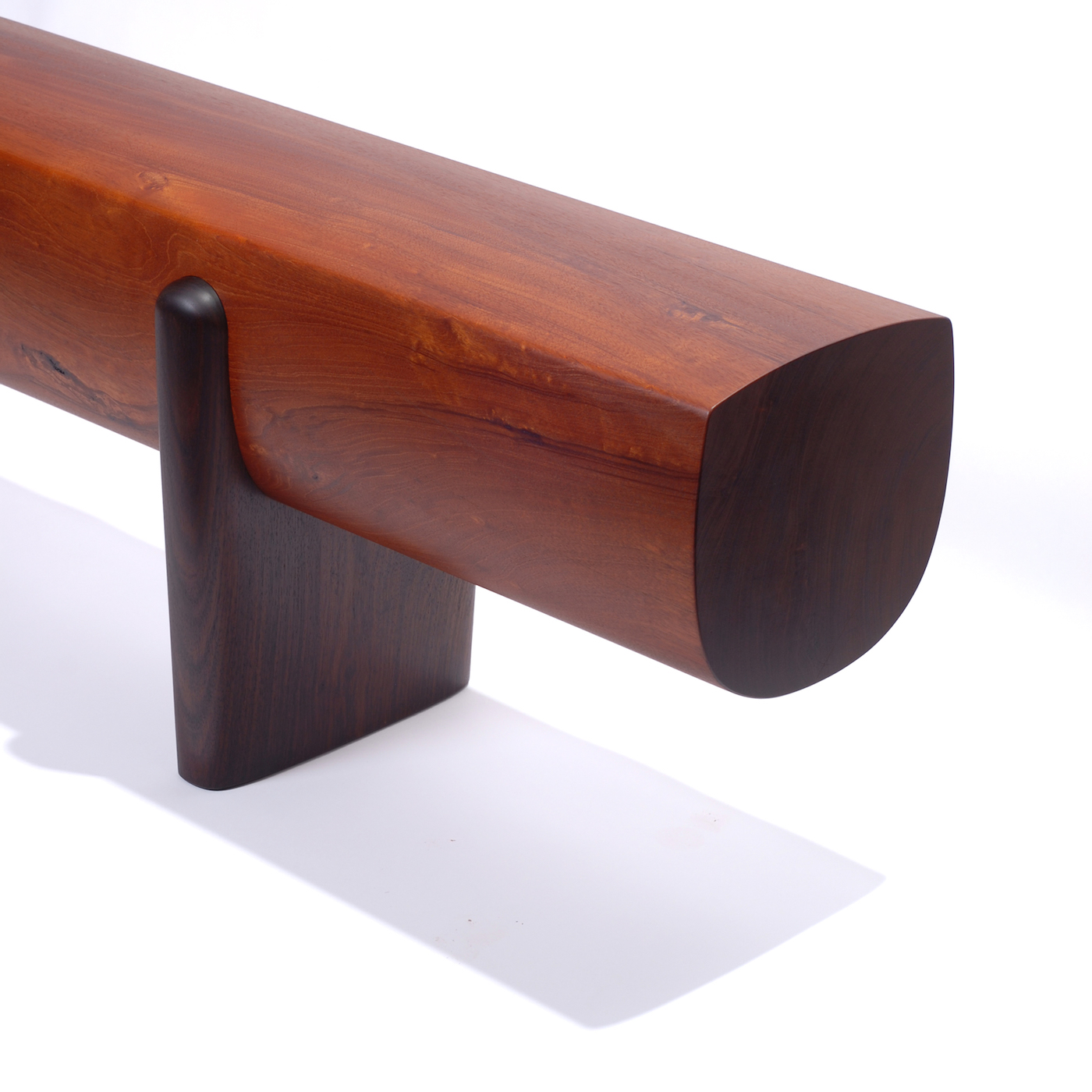
The shape of the Daiku bench reflects inspiration from a specific location and several specific Japanese techniques.
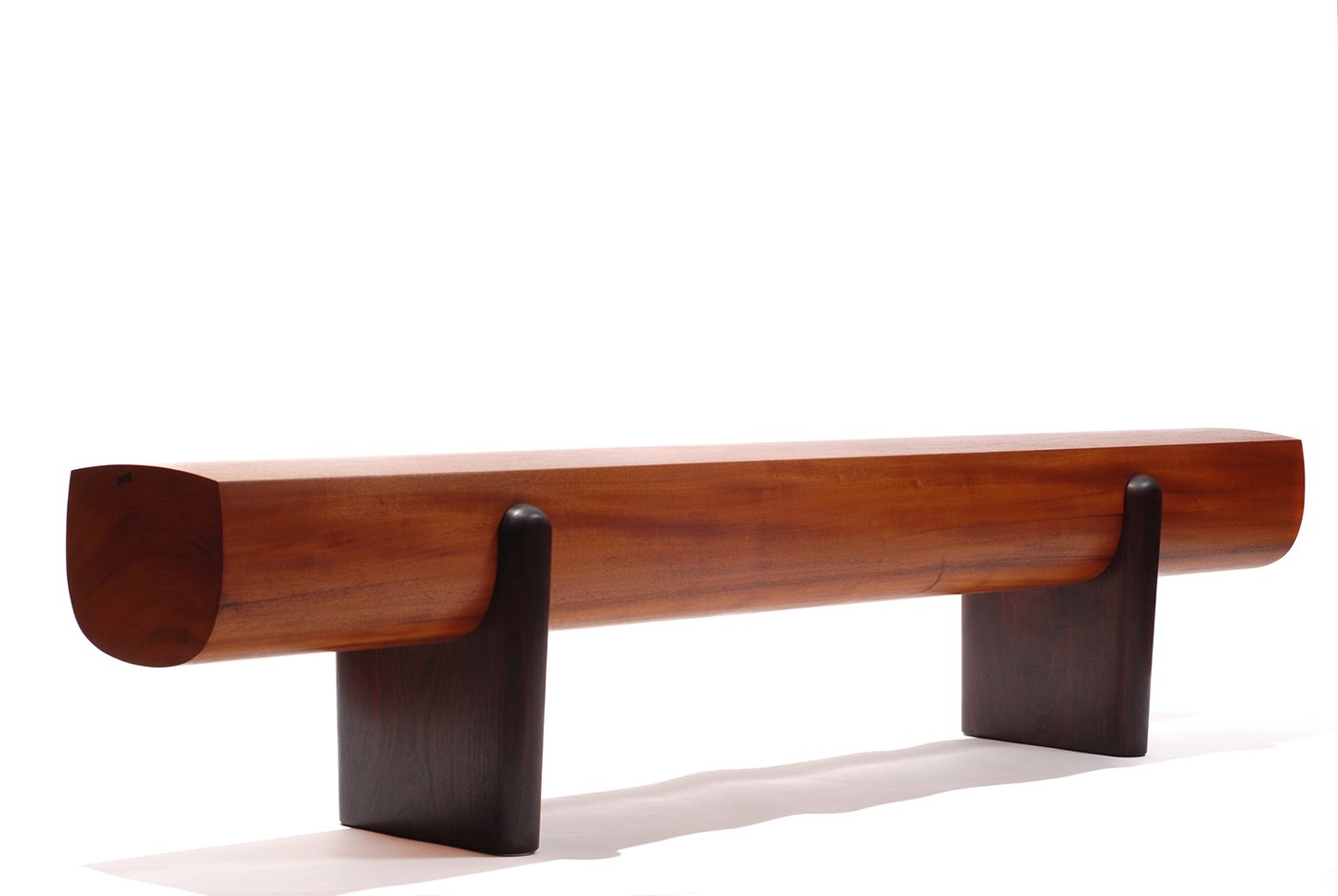

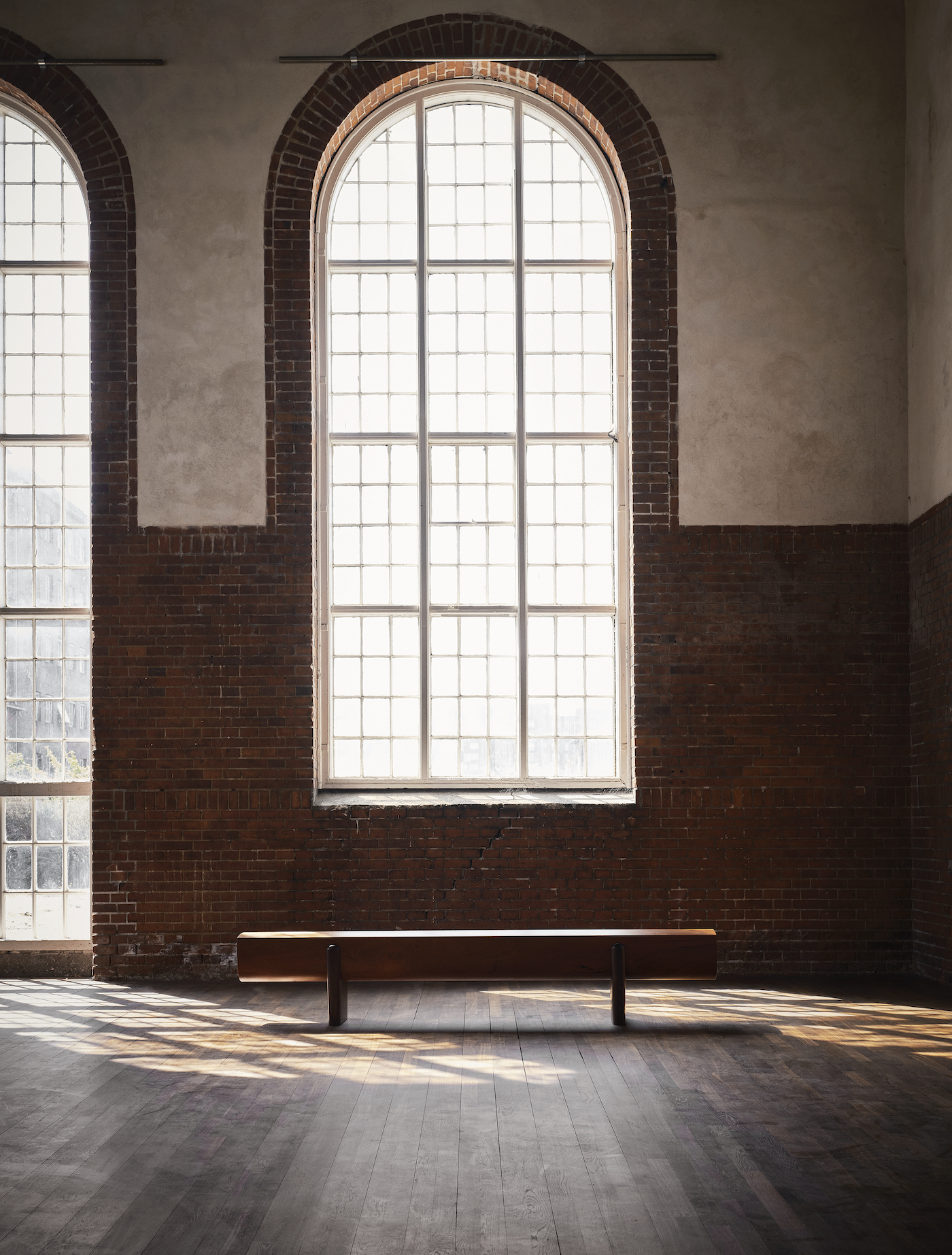
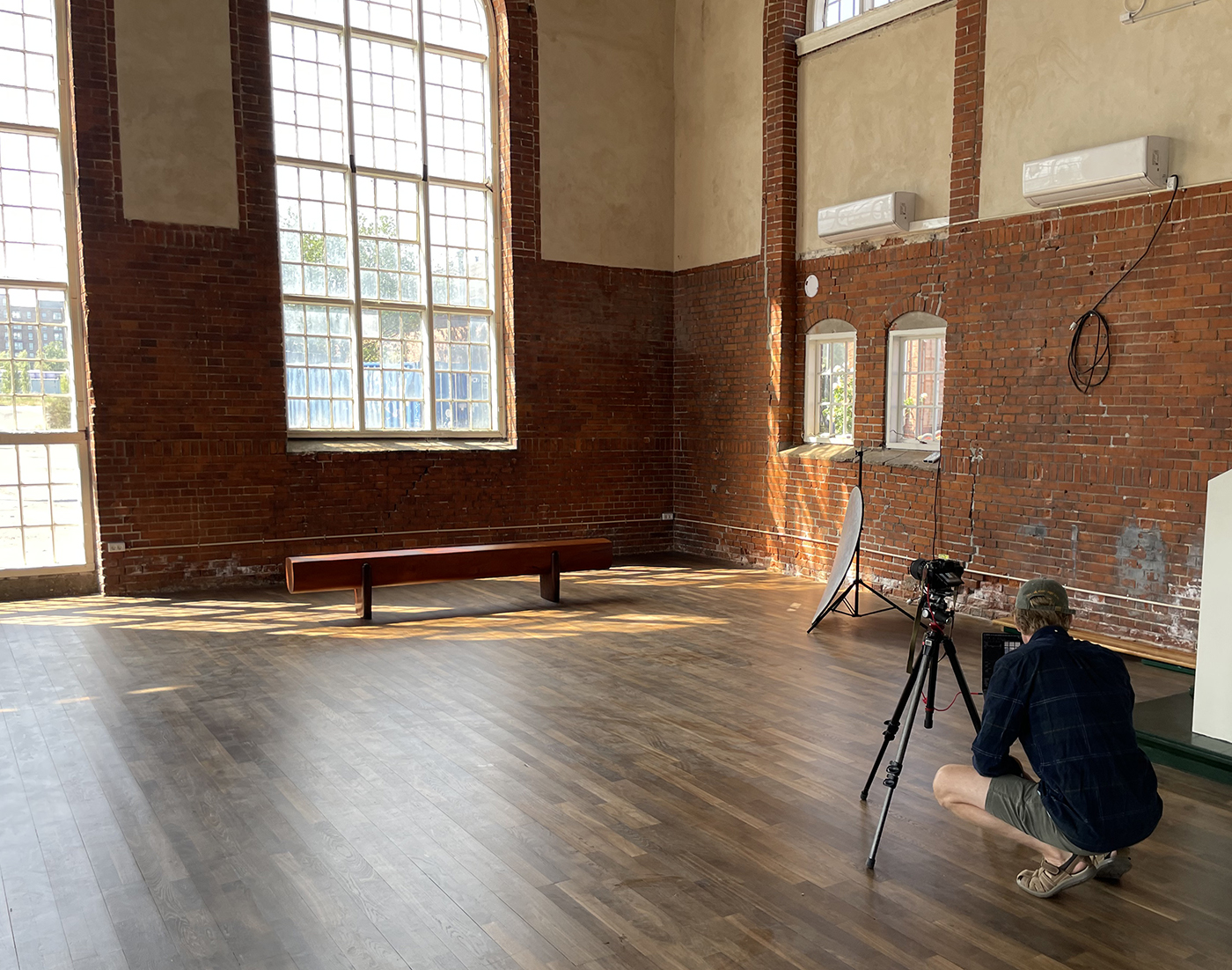
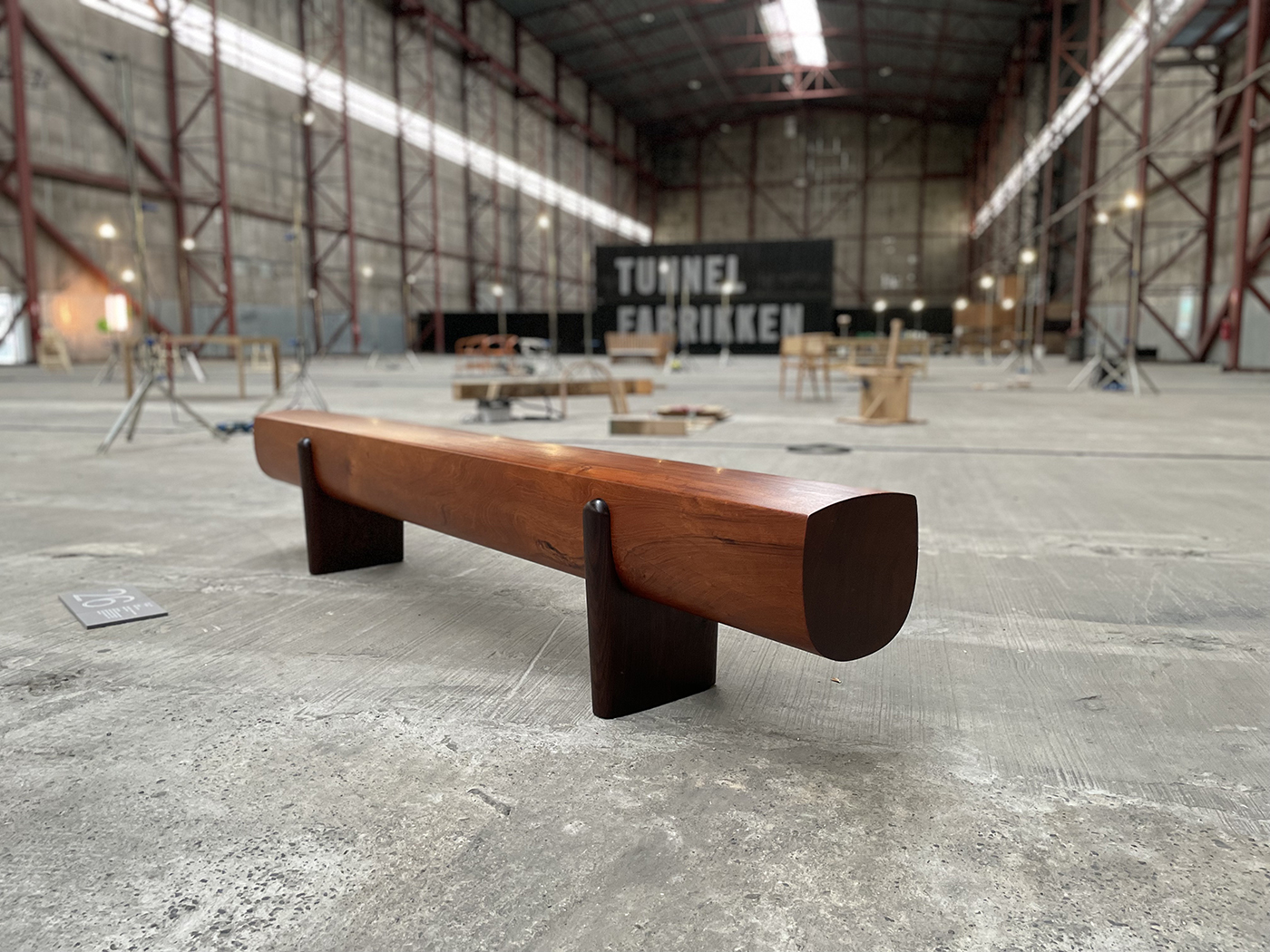
For my contribution to the exhibition ‘A Piece for a Place’ featuring site-specific designs, I was inspired by a beautiful powerplant building in the Danish railway service DSB’s former locomotive workshops on Otto Busses Vej, where I have my own workshop. Today, the space is empty and has a meditative atmosphere with large Roman windows and a beautiful, exposed roof construction.
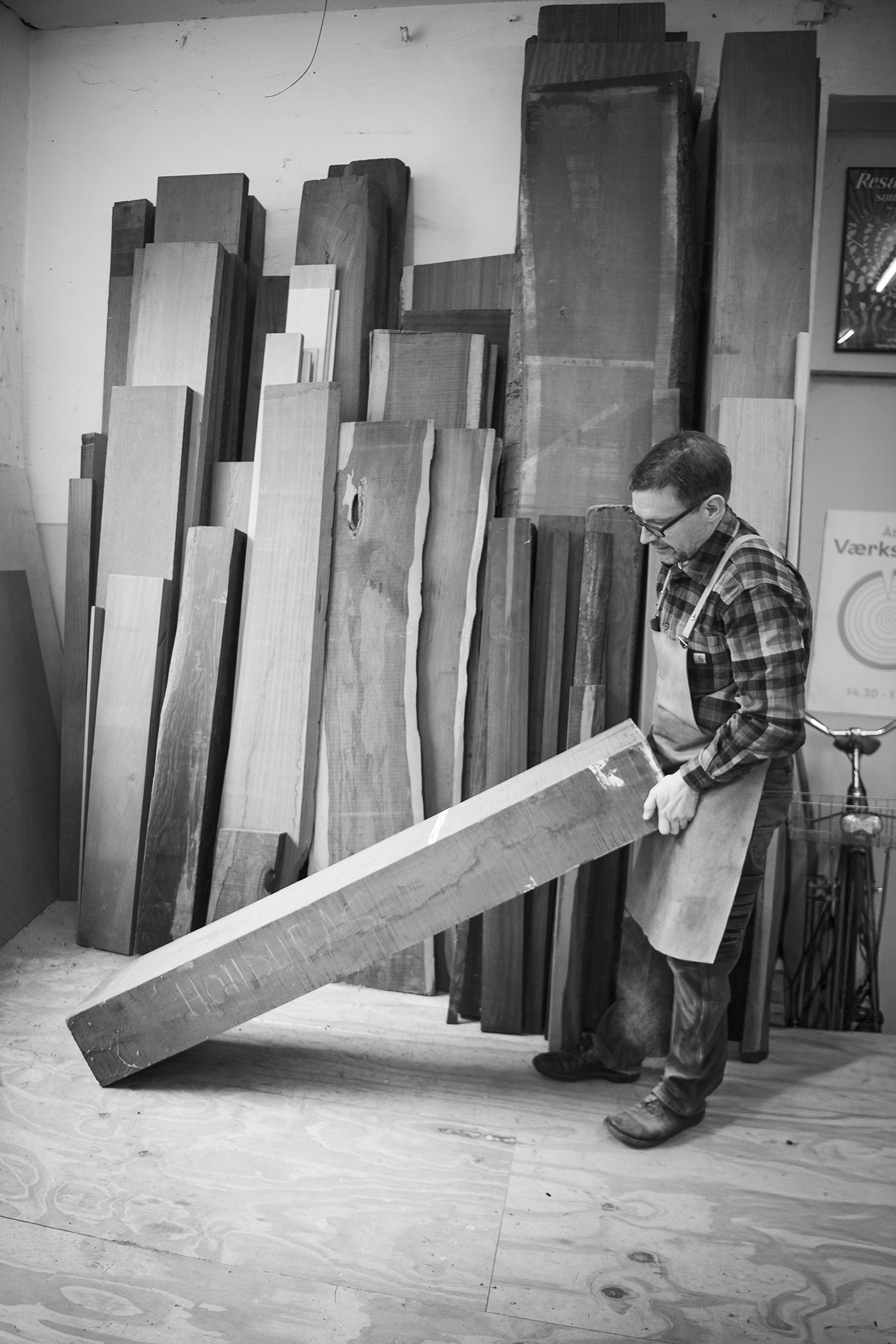
My starting point was a large unique piece of mahogany from Pierluigi Ghianda’s wood collection. Ghianda bought the wood on a trip to South America during the 1980s. Its impressive scale inspires a sense of stability and calm, almost like sitting on a fallen tree trunk in the forest.
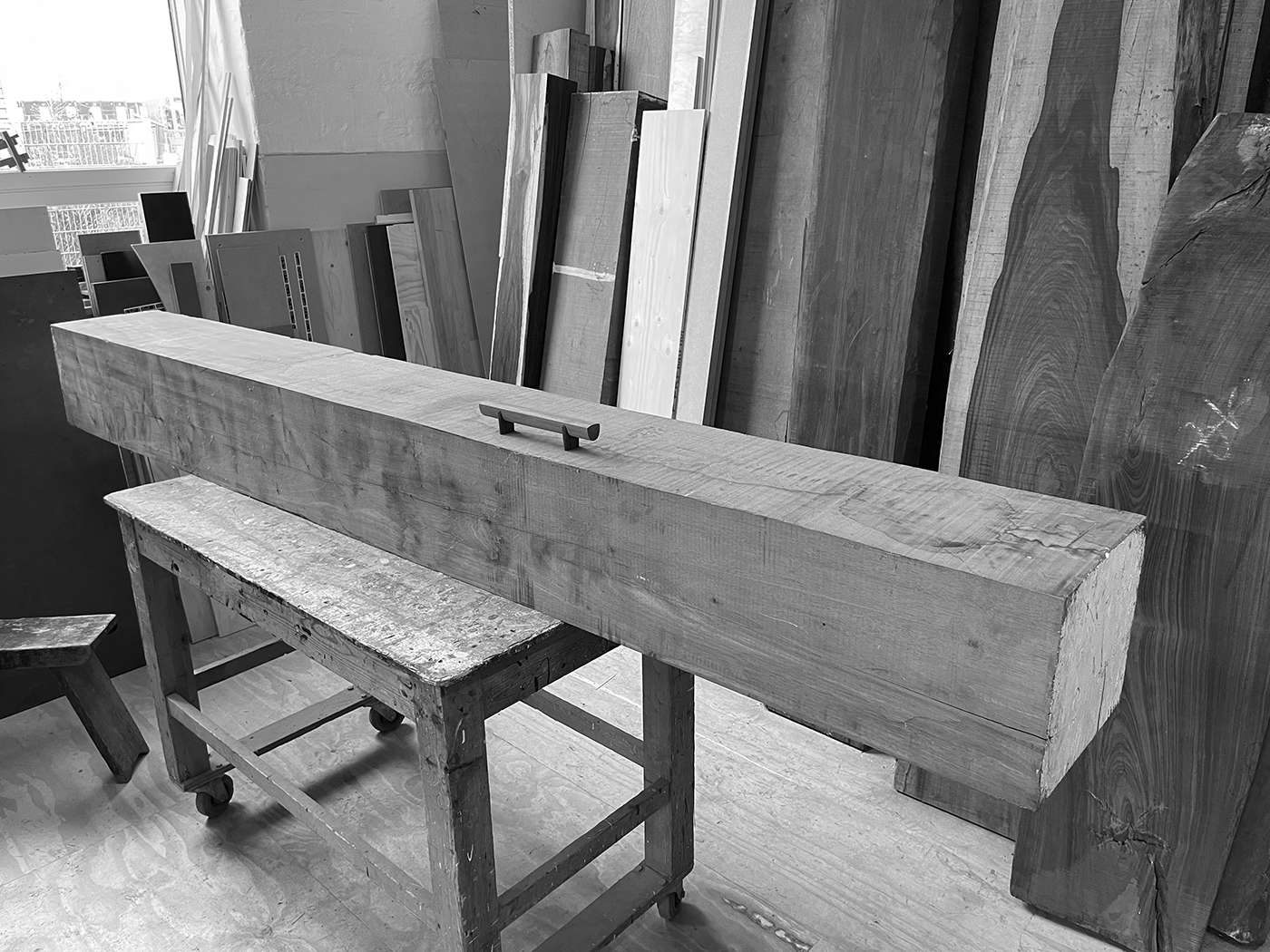
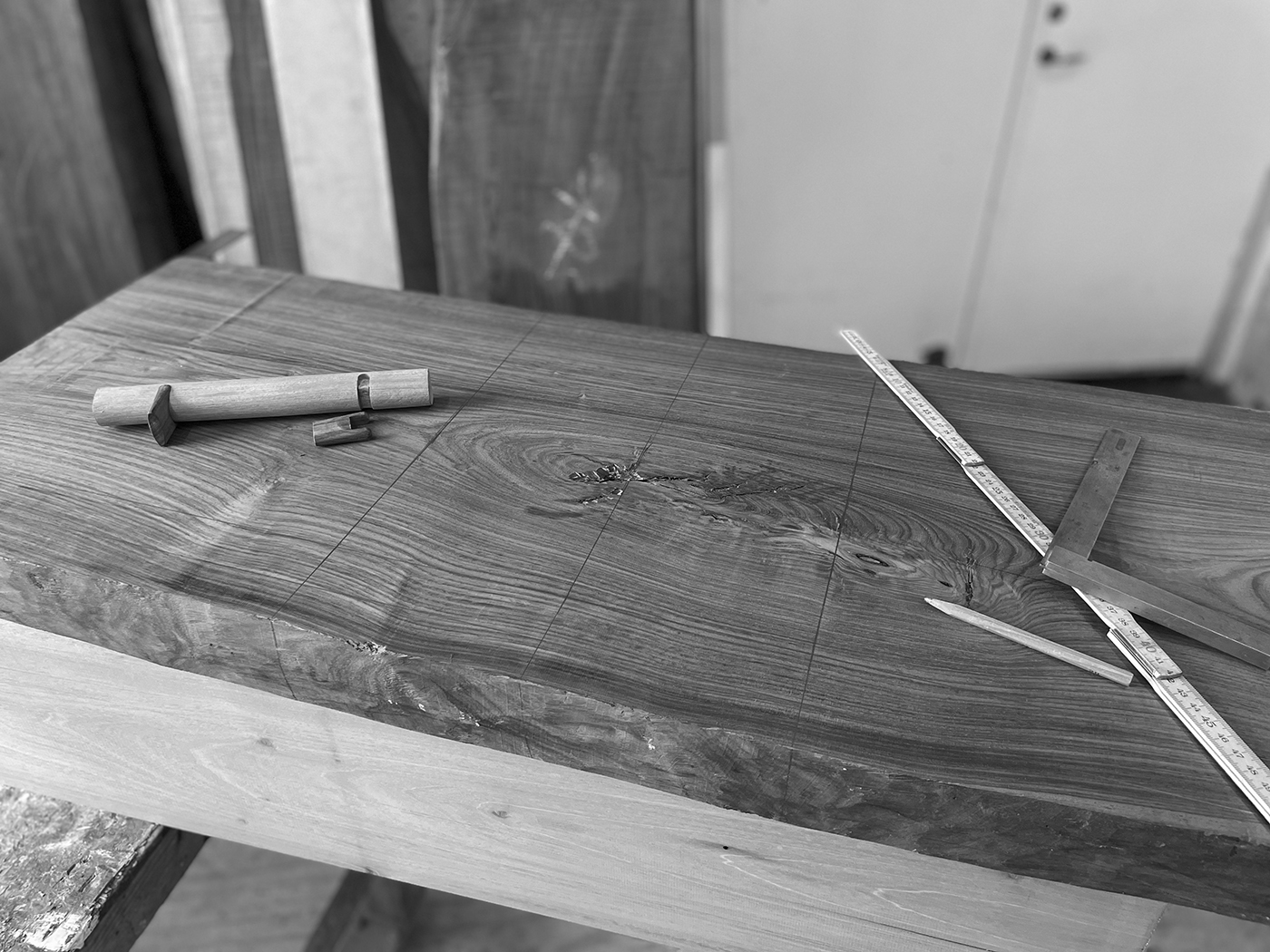
The Indian rosewood that I used for the legs comes from Pierluigi Ghianda’s collection. A friend of Ghianda’s who imported wood for musical instruments bought some trunks from India during the 1960s. This very old wood had many cracks and flaws that it did not make sense to preserve and which the design therefore had to accommodate. To aid my decisions about shape and construction without cutting into the large piece of wood, I chose to make some small models to scale.
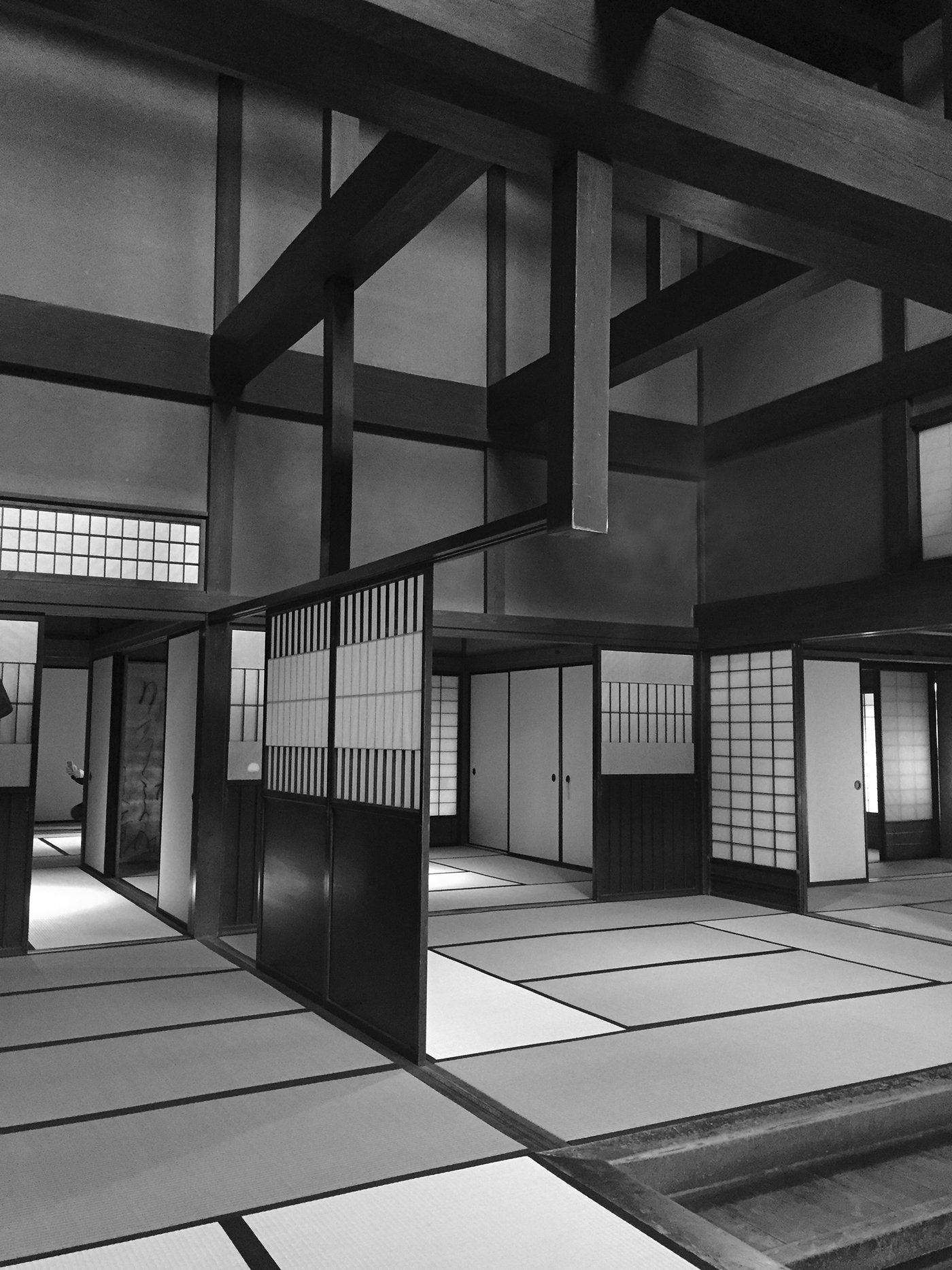
INSPIRATION: YOSHIJIMA HOUSE - TAKAYAMA · JAPAN
The Yoshijima family house was built in 1907 by a wealthy merchant engaged in sake production and money lending. Today, it is listed as a National Important Cultural Treasure. The enormous rafter constructions and the way the rafters are joined provided the inspiration for my Daiku bench. The simple overlap joint is one of the most fundamental principles of Japanese carpentry. It is used to connect the large structural horizontal beams.
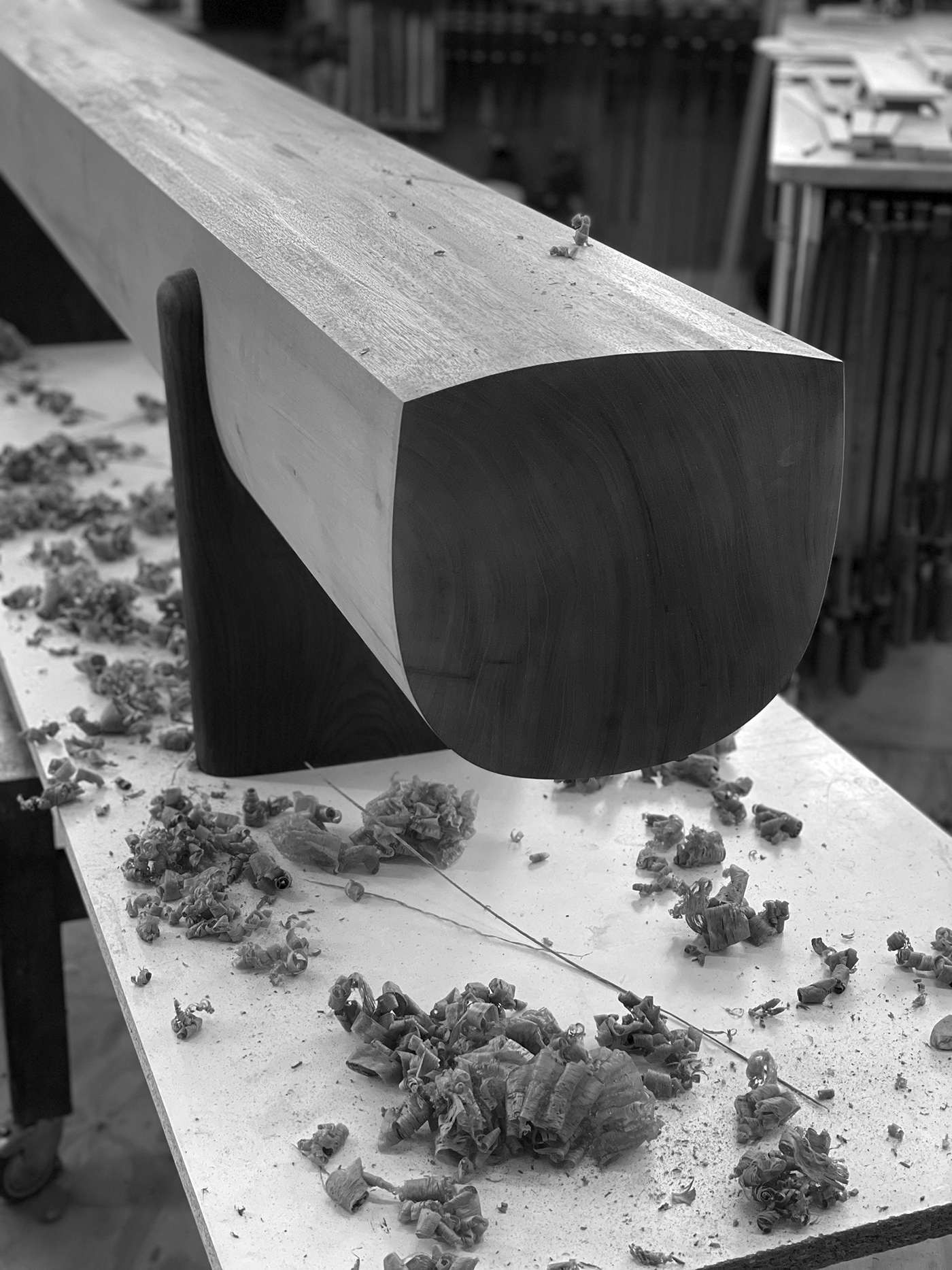
The round shape of the Daiku bench was inspired by the techniques used by the Japanese miya-daiku temple carpenters. When shaping large pieces of lumber into temple columns, they use facets to control the large, rounded shapes. First, they give the square form eight sides, then they repeatedly double the number of sides, until the shape is almost perfectly round.

The DAIKU bench was exhibited at the Cabinetmakers Autumn exhibition in 2023

Measurements
Width:
Height:
Depth:
Other
Type:
Material: