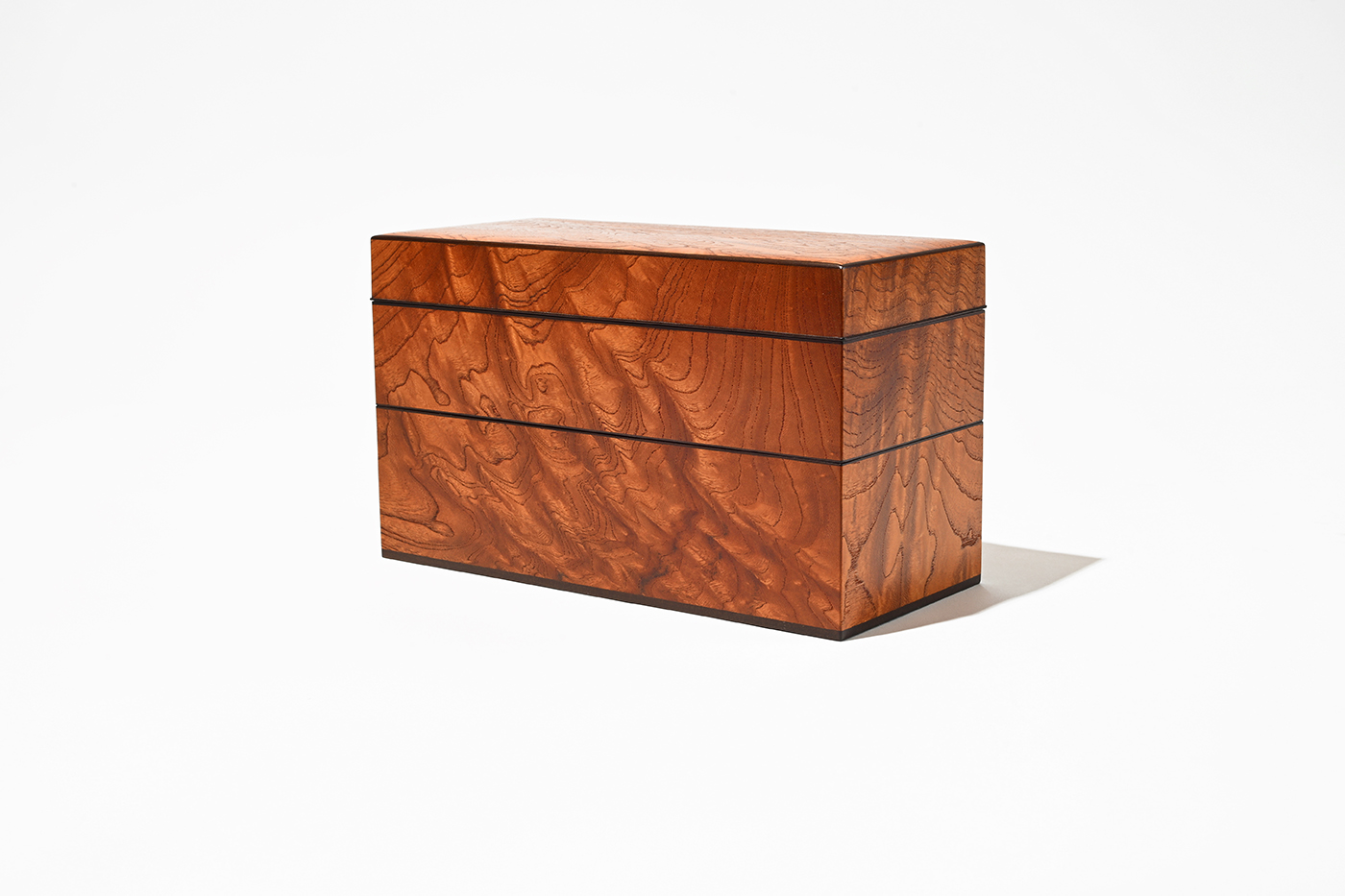
JU-BAKO
Exploring the Japanese sashimono tradition
JU-BAKO - Japanese style box
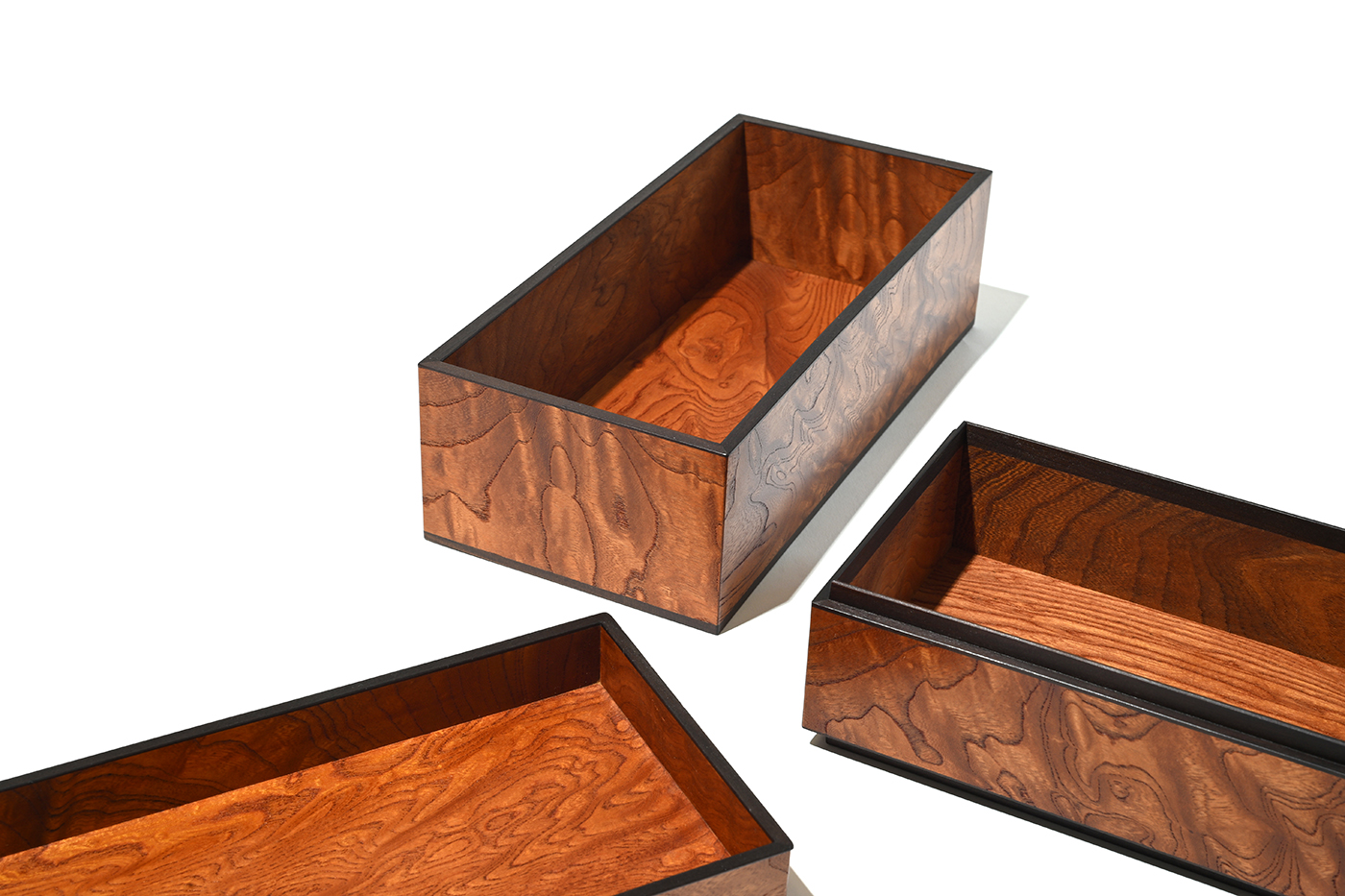
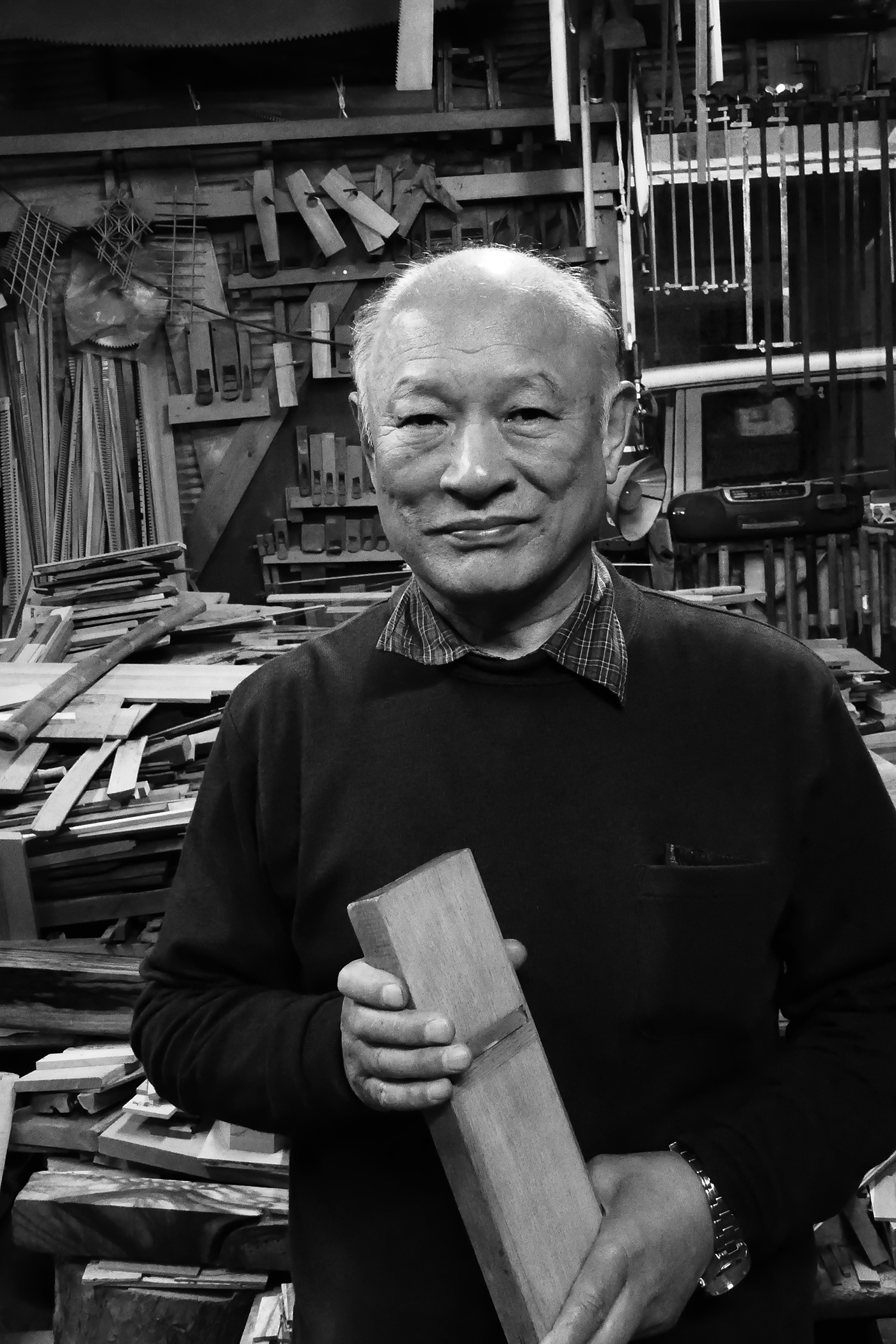
On my first trip to Japan, in 2001, I worked in Mr Norio Fukushima’s workshop in Kanazawa for three months. Mr Norio Fukushima is a famous box maker with great knowledge about traditional Japanese joinery techniques and tools. For many years, he has presented his work alongside the finest Japanese makers at the annual Dento Kogei exhibition of traditional crafts. During my stay with Fukushima-san, I learnt to construct a Ju-bako tiered box, which is used in the traditional Japanese tea ceremony. The design of the box is very traditional and carefully thought out with a 3–5–7 proportioning of the two layers and the lid. In the attic above Fukushima’s workshop, I found some gorgeous pieces of keyaki wood. This wood is very popular in Japan for boxes, wood turnery and objects where the grain is important. For the details of the box, Fukushima-san suggested that I use jindai katsura, a Japanese form of bogwood (wood that has turned black after spending hundreds of years under water). Its advantage over ebony is that the wood is very lightweight and not so hard for planing.
Awarded the Hetsch Medal in silver in 2004. Exhibited at Designmuseum Danmark in 2004

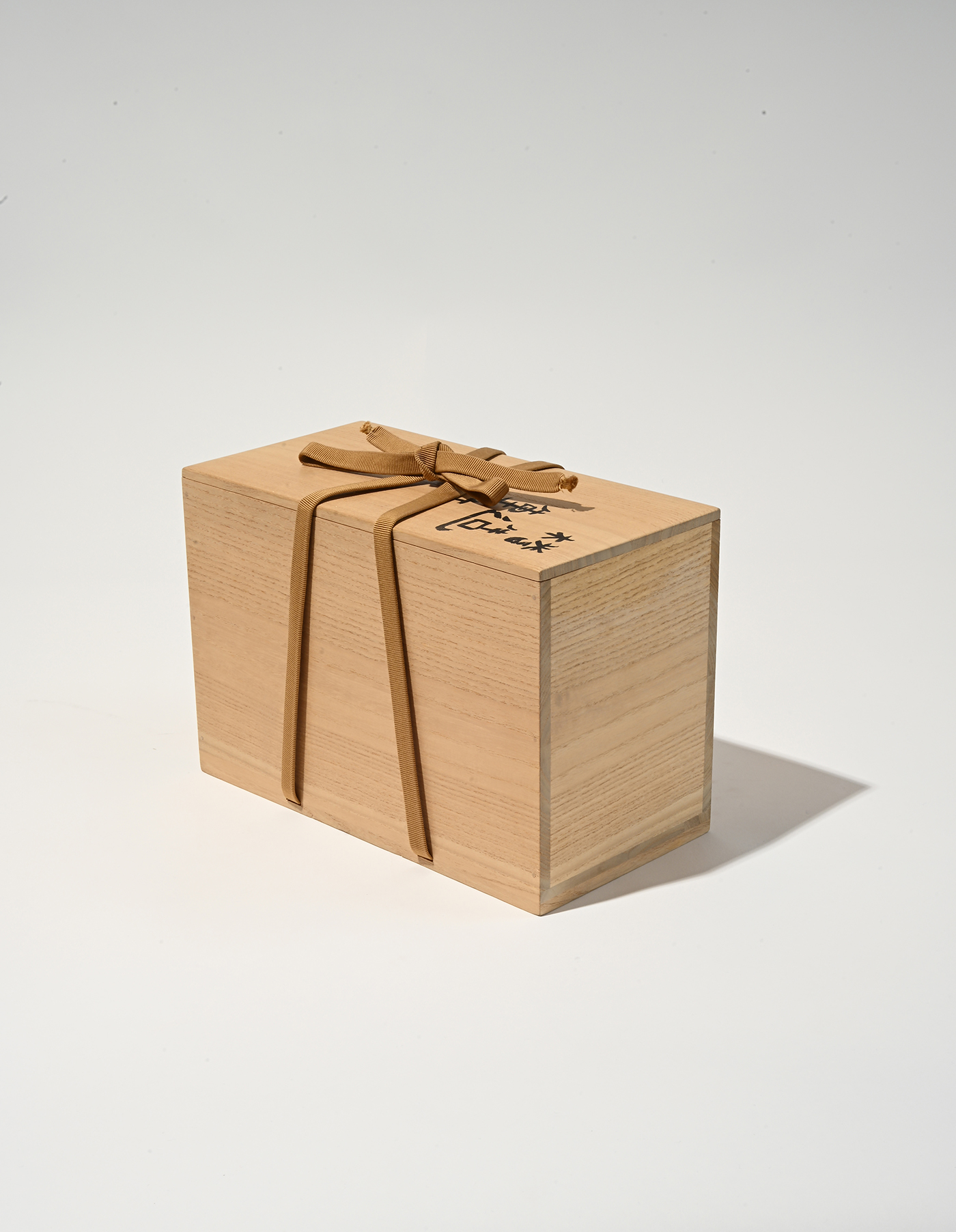
When the box was finished, Fukushima-san asked me to make another box, this one in kiri wood, which the ju-bako box could reside in. It is a Japanese tradition to place precious objects in boxes for safekeeping due to the many earthquakes and fires in Japan. Kiri wood possess natural fire-resistant properties. Finally, the lid of the box should be signed in Japanese characters.
INSPIRATION: EDO SASHIMONO, FUKUSHIMA-SAN, KANAZAWA · JAPAN
Edo sashimono is one of the finest forms of wood craft in Japan. It involves dedicating huge amounts of time and care to creating small objects in wood, often tiered boxes or other items used in the traditional tea ceremony.
Tiered ju-bako boxes have a long history in Japan. Originally, they were used to hold the tools for the tea ceremony. Later, they developed into small works of art. The lid is often designed to extend all the way down to the bottom of the box, so that it covers up the stacked trays and provides a surface for decorative images that wrap around the corners. Today, a small handful of Japanese joiners still make these boxes in wood and lacquerware for collectors.
When I had lunch at Fukushima-san’s, we were unable to converse, as I didn’t speak Japanese, and he spoke no English. Instead, he played VHS videos with shows about Japanese crafts. I’ll never forget a video about an old box maker beautifully describing the slowness and knowledge of this craft. To make a box, the joiner first selected the wood he was going to use. Then he used hand tools to plane it to the approximate dimensions and tied a piece of string around each piece before hanging them all from the ceiling, like a garland. Here the wood would be stored for at least five years before they were used to make a box.


EXHIBITED:

Measurements
Width:
29
cm
Height:
20
cm
Depth:
15
cm
Other
Type:
Box
Material:
Keyaki and jindai Katsura wood.