
Niwa 庭
A bench inspired by Japanese light-and-shadow effects
Niwa 庭 - Garden bench
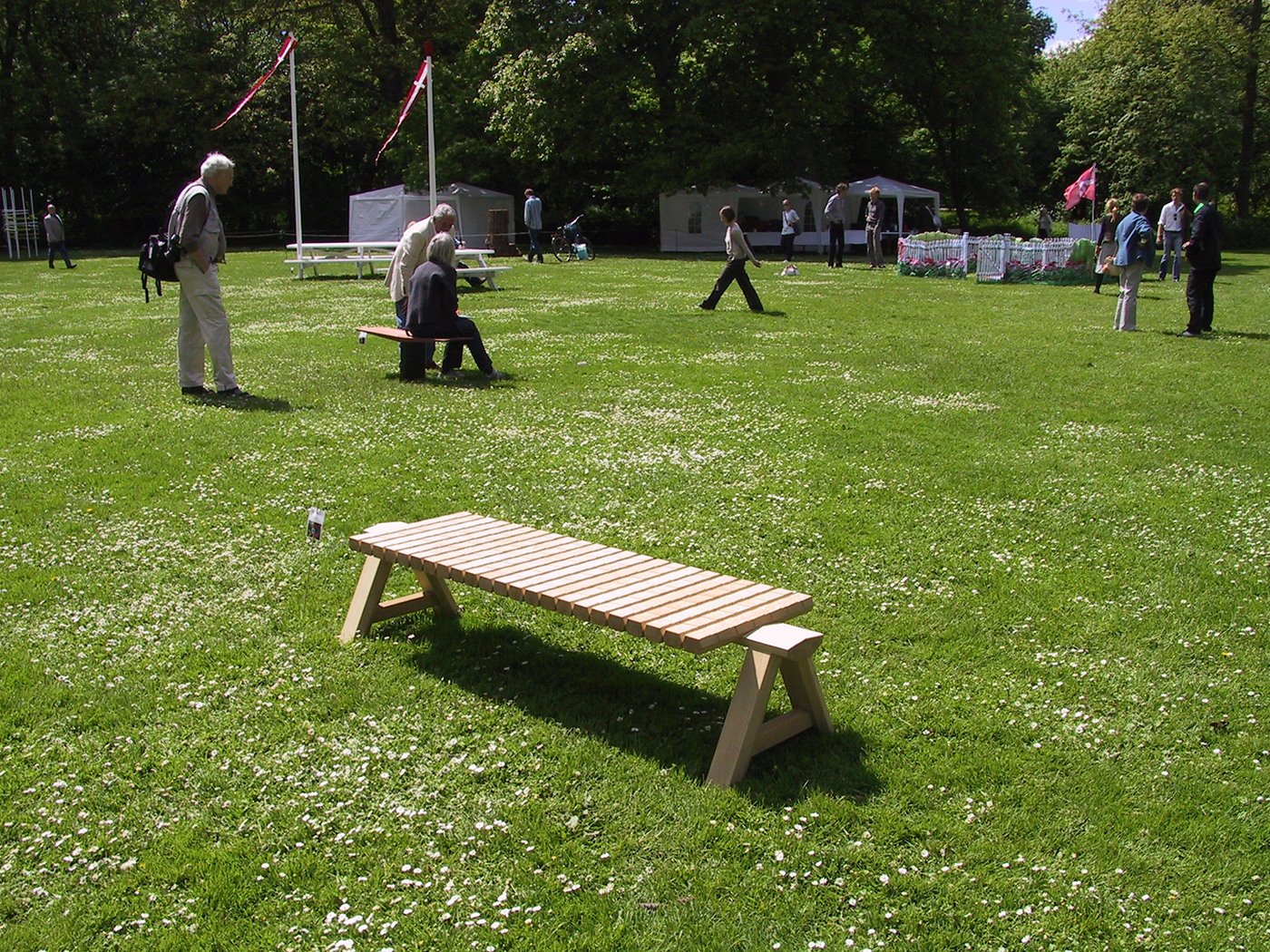
Niwa means ‘garden’ in Japanese. This bench was designed for an outdoor exhibition in the park Frederiksberg Have. It is made of a series of transverse bars mounted on a powerful boom like a string of pearls. The design was inspired by a sliding dovetail joint. Each bar has been reinforced with two powerful wooden spikes that make the construction strong enough to produce a floating effect.
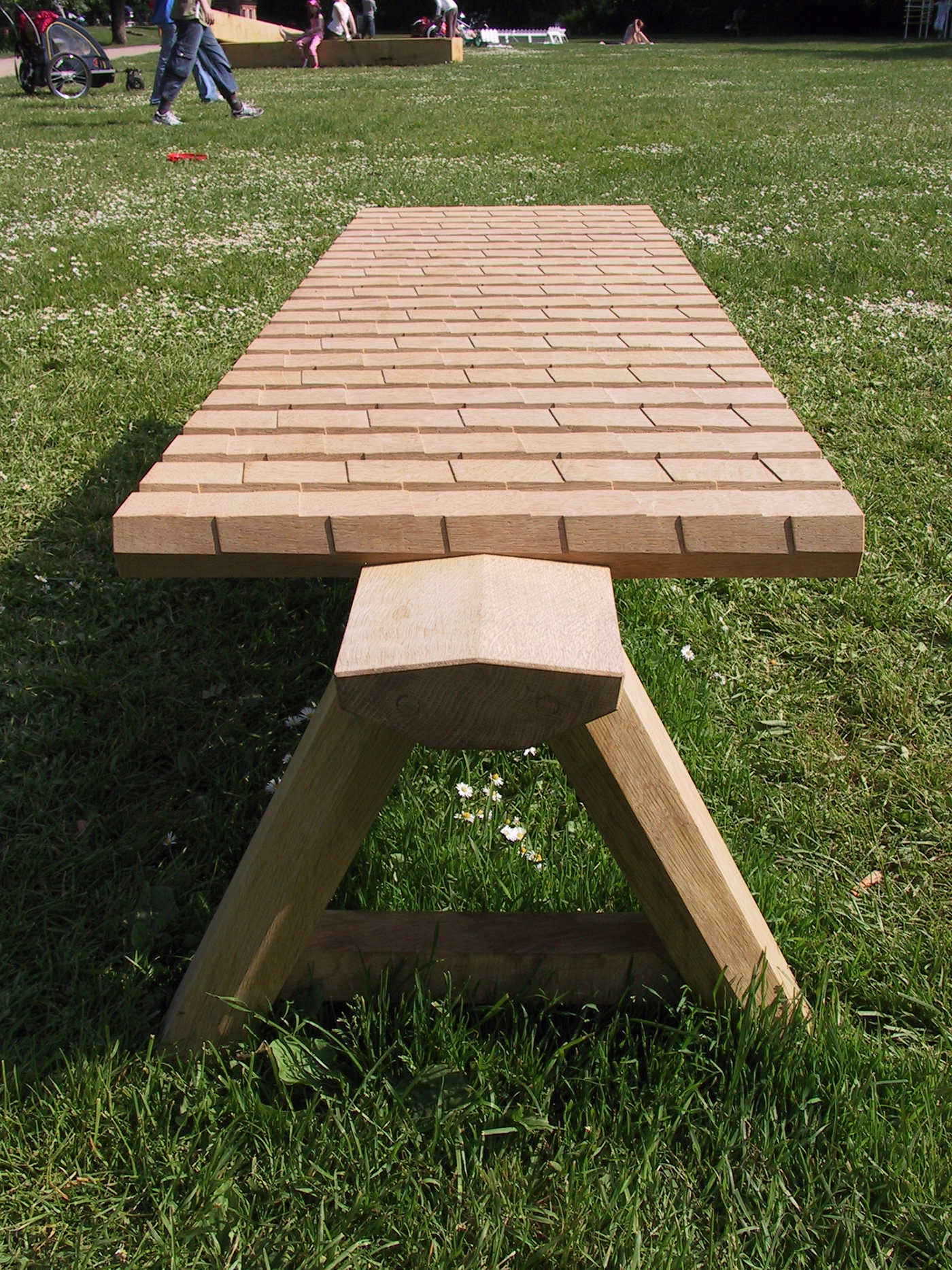
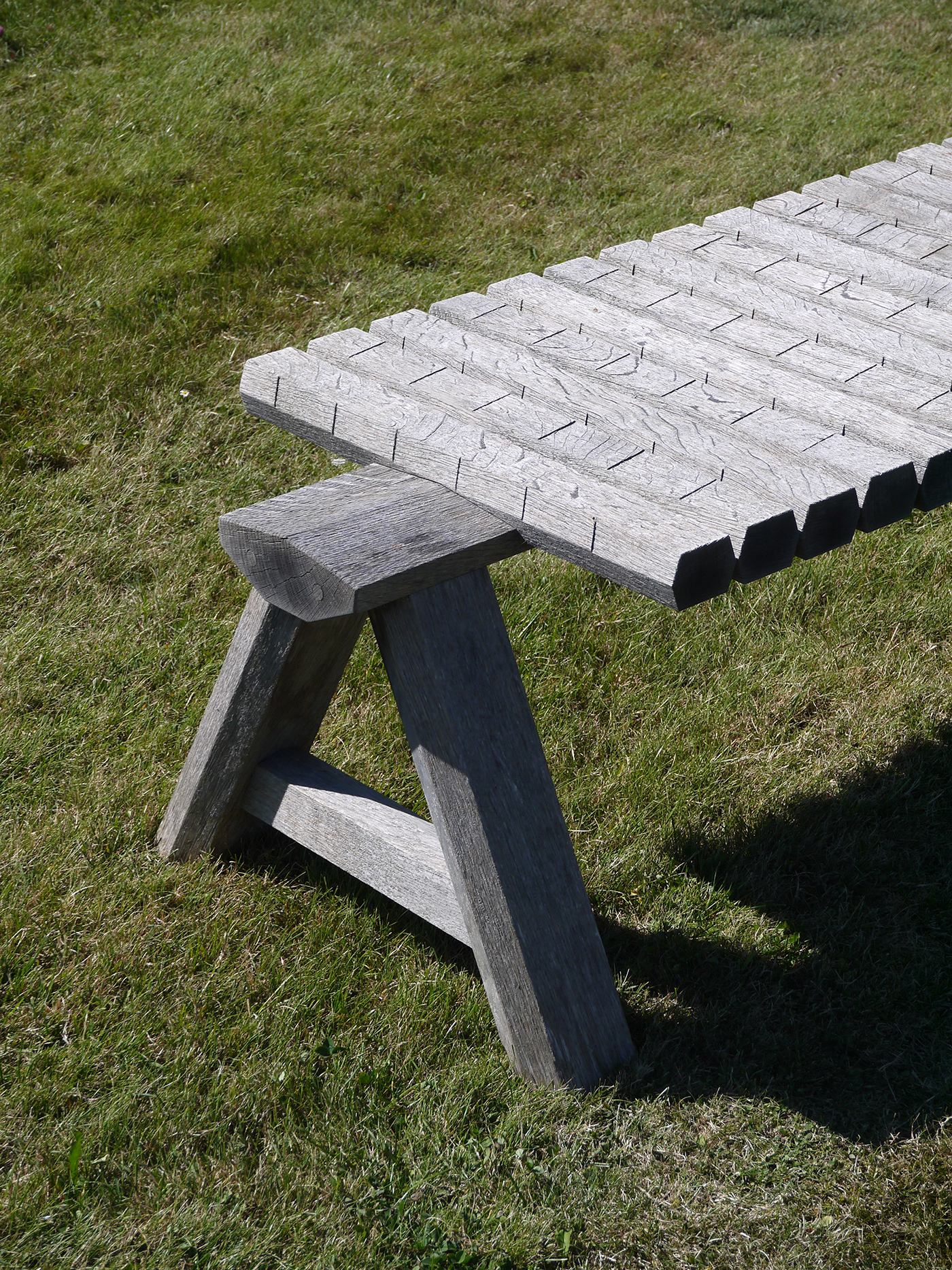
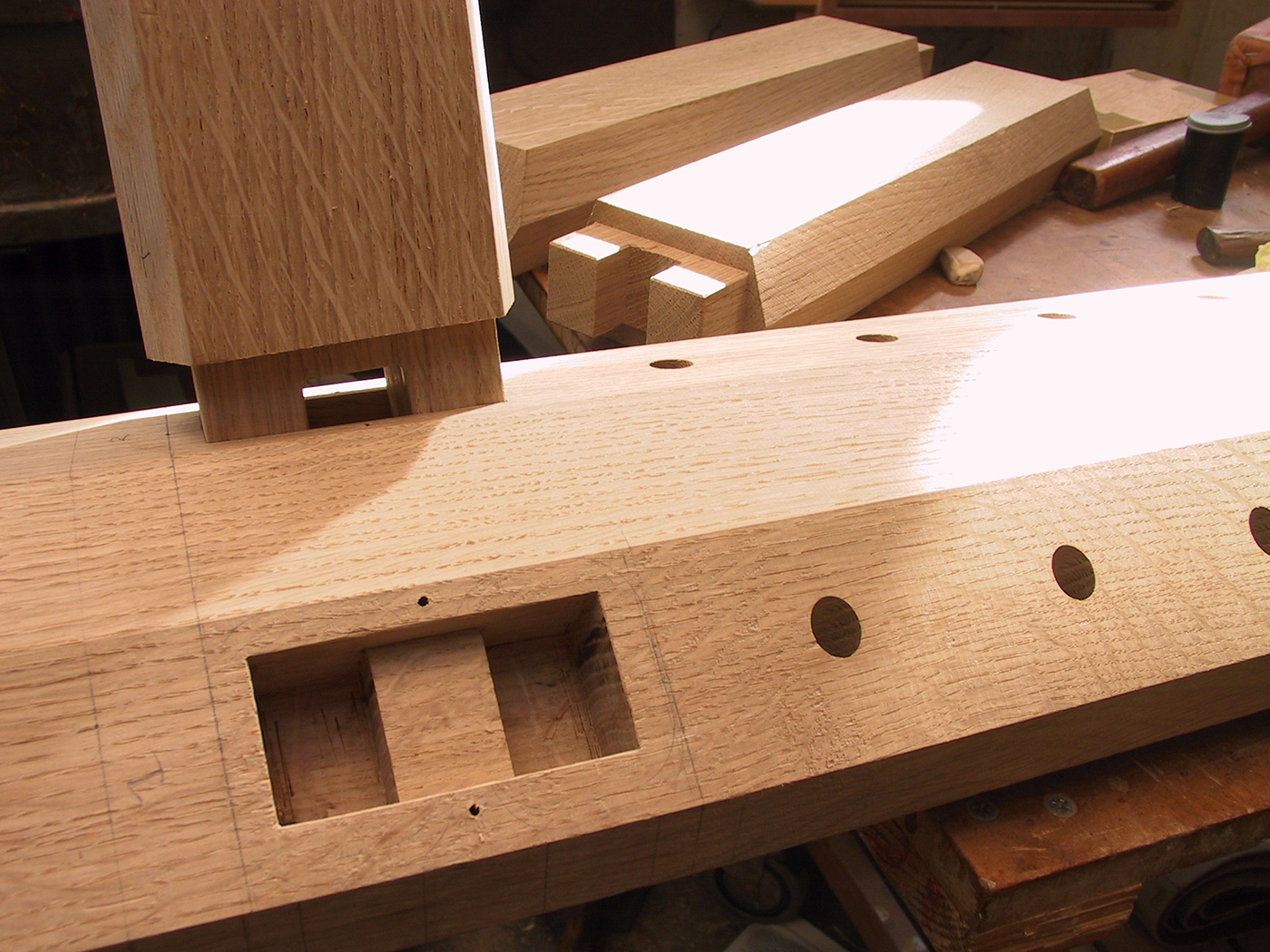
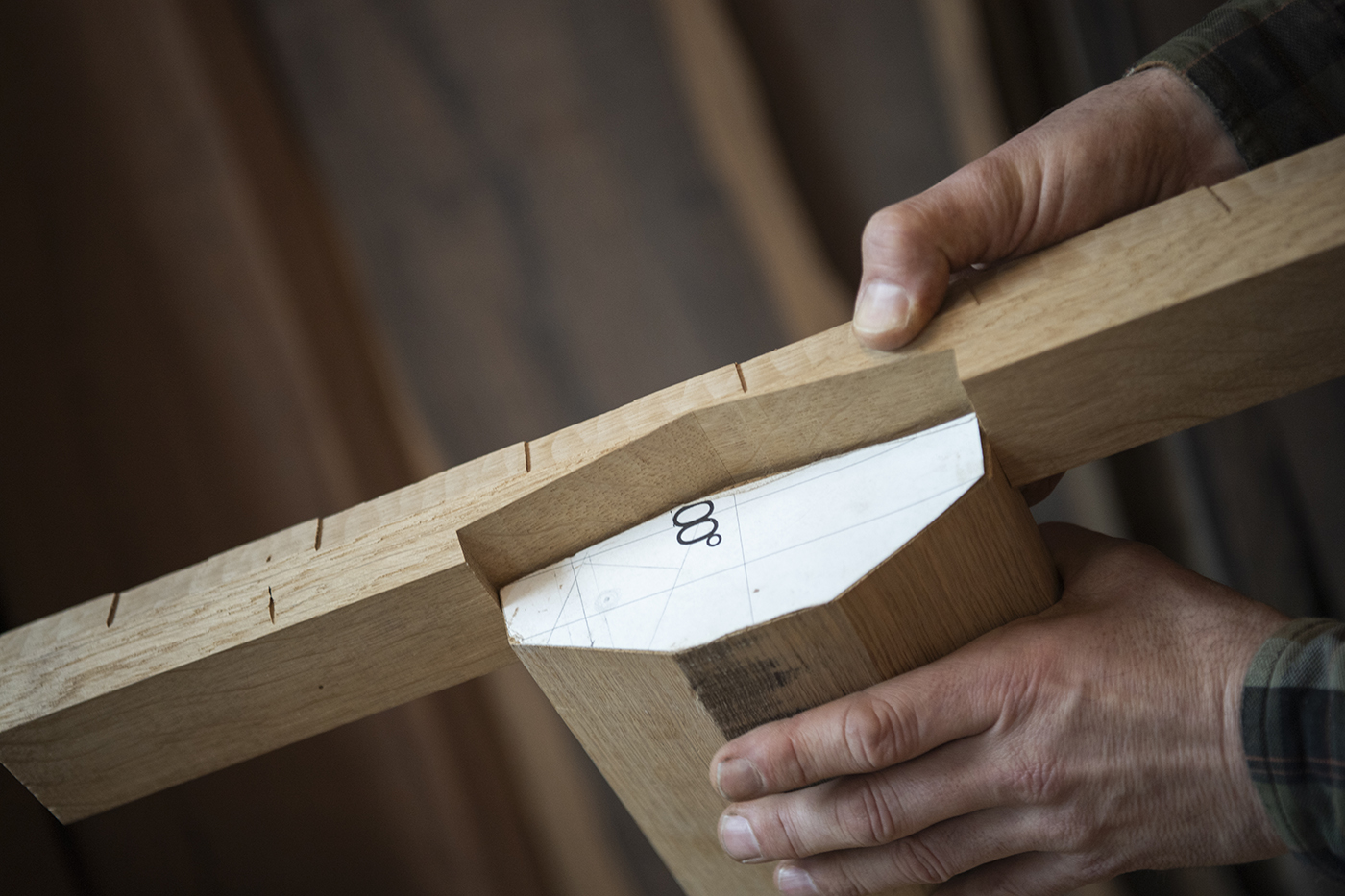
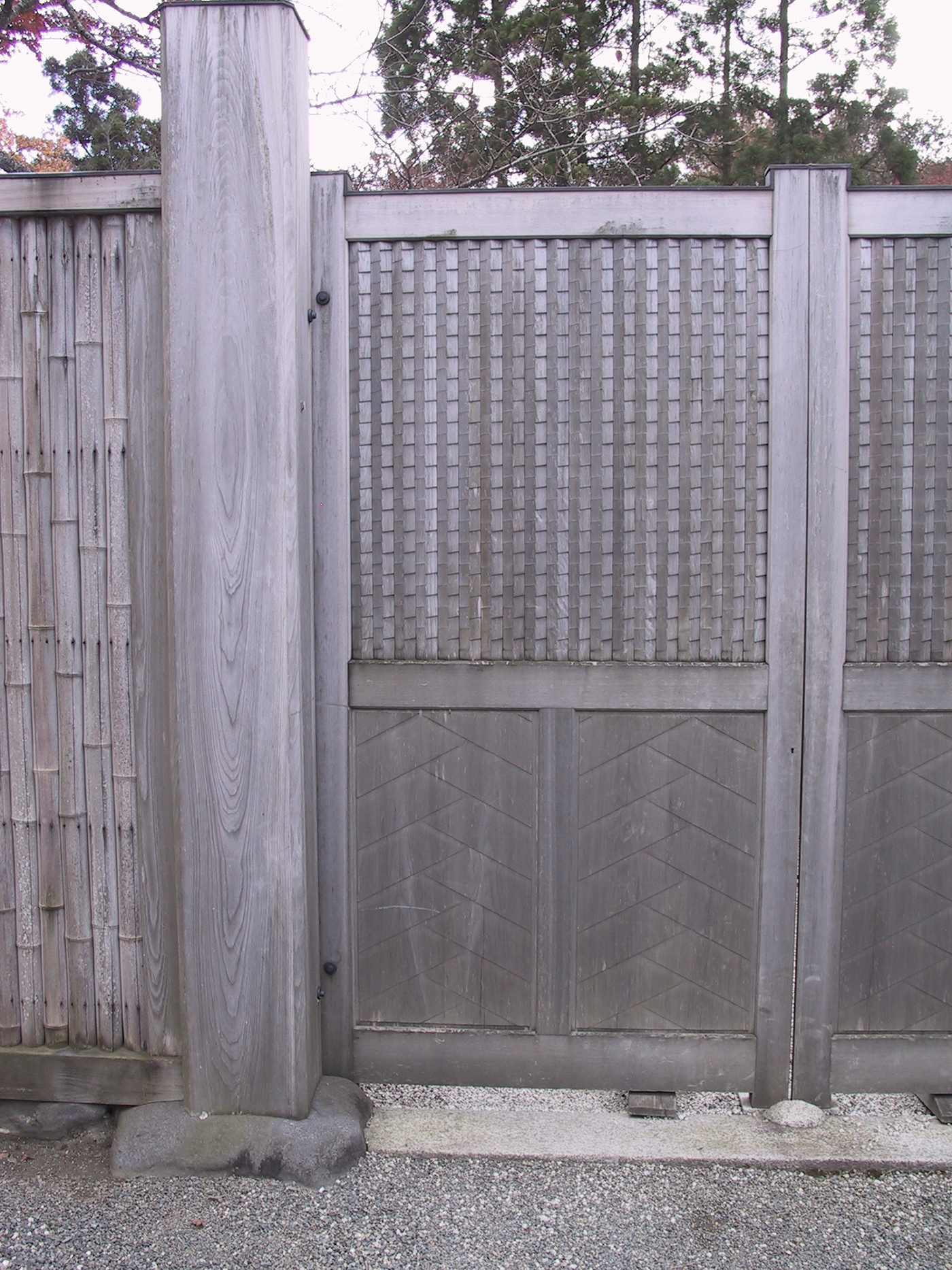
There is so much inspiration to be found in the old Japanese temples. The Japanese joiners who work on the temples spend an amazing amount of time on every detail. On one of my trips, I had a chance to visit the imperial gardens at Shugakuin Rikyu near Kyoto. The large Omote-mon gate had some interesting panelling, where the joiner had planed identical notches into the bars, producing an attractive light-and-shadow effect. Later, I have seen similar patterns elsewhere in Japan on visits to traditional houses and temples.
Measurements
Width:
130
cm
Height:
38
cm
Depth:
40
cm
Other
Type:
Bench
Material:
Oak
Designed by okayokay